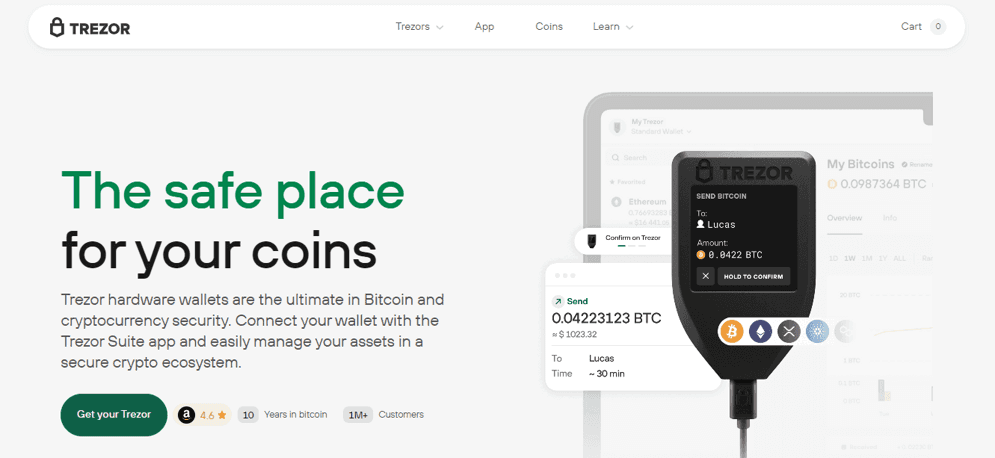
Trezor Login – A Complete Guide to Secure Access and Crypto Management
Managing cryptocurrency securely requires both knowledge and the right tools. Trezor, one of the leading hardware wallet providers, ensures users keep full control of their digital assets. Logging into your Trezor wallet through Trezor Suite is a critical step in managing, sending, and receiving cryptocurrencies safely. This guide explains everything you need to know about Trezor login, from setup to troubleshooting and maintaining security.
1. What Is Trezor Login?
Trezor login is different from a traditional web login. You do not use a username and password; instead, access is granted through your Trezor hardware device, the Trezor Suite application, and your PIN code. Every transaction and wallet action requires verification on the device itself, keeping private keys offline and secure.
Components of Trezor Login
Trezor Hardware Wallet: Nano X or Trezor One
Trezor Suite: Desktop or mobile application for managing accounts
PIN Code: Unlocks your device for secure access
This system ensures that all critical operations, like sending funds or viewing private keys, require physical confirmation on the Trezor device.
2. Why Trezor Uses Hardware-Based Login
Trezor’s login system prioritizes security by keeping private keys offline. Even if your computer is compromised, your cryptocurrency remains protected because all sensitive operations are performed on the hardware device.
Benefits of Trezor Login
Private keys never leave the device
Protection against phishing and malware attacks
Transactions must be confirmed physically
Complete ownership and control of digital assets
By combining Trezor hardware and software, users enjoy one of the most secure login systems in the crypto industry.
3. Preparing Your Device for Login
Before logging in, it is essential to ensure your Trezor device and environment are secure.
Preparation Checklist
Confirm your Trezor device is genuine and sealed
Install Trezor Suite from the official website
Ensure your computer is free of malware
Have your PIN code ready
Keep your recovery seed stored safely offline
Proper preparation prevents login issues and ensures your crypto remains secure.
4. Step-by-Step Trezor Login
Logging into Trezor Suite requires connecting your device and entering your PIN.
Step 1: Open Trezor Suite
Launch Trezor Suite on your computer. Make sure you have downloaded the latest version from the official Trezor website.
Step 2: Connect Your Trezor Device
Use the supplied USB cable to connect your Trezor wallet. The software will detect the device automatically.
Step 3: Enter Your PIN
Unlock your device by entering the PIN code via the hardware buttons. This step ensures only authorized access to your crypto.
Step 4: Grant Access to Trezor Suite
Trezor Suite establishes a secure connection with the hardware wallet. Once connected, you can access your accounts and portfolio.
Step 5: Access Your Dashboard
After logging in, you can manage your cryptocurrency, check balances, send and receive funds, and install or remove apps. All operations require confirmation on the device itself.
5. Common Login Issues and How to Solve Them
Even experienced users may face difficulties during Trezor login. Here are the most common issues and solutions:
Device Not Detected
Reconnect the USB cable or try a different port
Ensure the device is unlocked
Restart Trezor Suite
Incorrect PIN
Multiple wrong attempts can temporarily lock or reset the device. Always enter your PIN carefully.
Outdated Software or Firmware
An outdated Trezor Suite or device firmware can cause login problems. Update both to the latest version before logging in.
Security Conflicts
Antivirus or firewall settings may interfere with Trezor Suite. Temporarily adjust settings to allow communication with the device.
6. Security Tips for Trezor Login
Although Trezor is secure by design, following additional security best practices ensures maximum protection.
Recommended Practices
Never share your recovery seed
Never type your recovery seed into any online platform
Keep your Trezor device in a secure location
Use passphrase protection for additional security
Verify transaction addresses on the device screen before confirming
These habits prevent unauthorized access and reduce the risk of loss or theft.
7. Features Accessible After Trezor Login
Once logged in, Trezor Suite provides full control over your cryptocurrency portfolio.
Key Features
Portfolio Overview: Monitor total balance and asset allocation
Send & Receive Funds: Securely approve transactions on-device
Exchange & Swap: Trade supported cryptocurrencies within the app
App Management: Install or remove blockchain apps for multiple coins
Staking & Rewards: Participate in staking programs for supported cryptocurrencies
Trezor ensures that all actions are verified on the device, maintaining the highest level of security.
8. Trezor Login vs Online Wallets
Trezor login provides a significant security advantage over web wallets or exchange accounts:
Private keys remain offline and never exposed to the internet
Malware or remote attacks cannot compromise your funds
Physical confirmation prevents phishing scams
Full control of assets stays with the user
This hardware-based approach makes Trezor login one of the safest ways to manage cryptocurrency.
9. Maintaining Ongoing Security
Safe login is only the first step. Long-term security practices help protect your funds over time.
Ongoing Security Practices
Keep Trezor Suite and firmware updated
Use trusted devices and networks for access
Store your recovery seed offline and securely
Enable optional passphrase protection for sensitive accounts
Confirm every transaction on the hardware device
By following these practices, you can maintain a secure crypto management environment.
10. Conclusion
Trezor login is the gateway to safely managing cryptocurrency with a hardware wallet. By combining the Trezor device, Trezor Suite, and a secure PIN, users gain full control and protection over their assets. Whether checking balances, sending funds, or staking cryptocurrency, Trezor login ensures that your crypto remains secure, private, and fully under your control. Following proper setup procedures and ongoing security practices is essential for maintaining long-term protection.